
Diabetes Resources and Support
Common Oral Health Problems Related to Diabetes

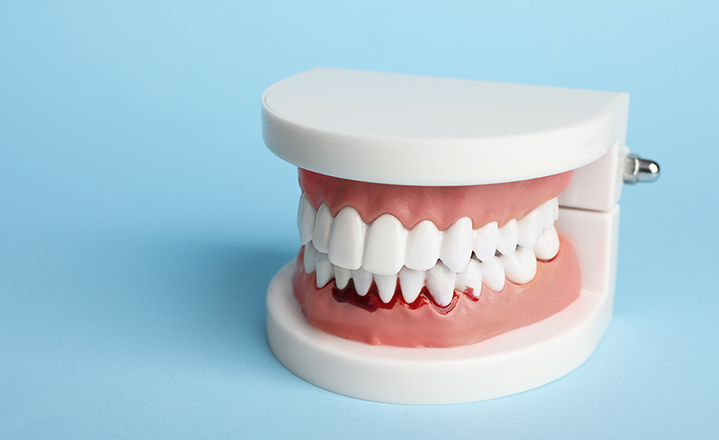
Diabetes can make it hard for your body to fight off infection. This means you may be at high risk for developing some of these problems:
- Gum Disease: Gum disease causes inflammation in the mouth. This inflammation is caused by bacterial growth, and it happens around the teeth and along the gum line. Gingivitis is early-stage gum disease that can go away. But if left untreated, it can progress to periodontitis, which is not reversible due to bone loss and gum recession. Gum disease can lead to loss of tissue, bone, and teeth, and may increase your risk for other serious health problems, like heart attack or stroke. However, if you practice good oral health habits, you can help avoid gingivitis from progressing to periodontitis.
- Oral Thrush: Oral thrush is a fungal infection in the mouth. This can cause uncomfortable, creamy white patches. Or it can cause small white cracks at the corners of your mouth. To treat, visit your health care provider, who may prescribe antifungal medication.
- Dry Mouth: This may be caused by medical conditions or medicines for diabetes, high blood pressure, depression, or other health problems. Besides feeling uncomfortable, it can cause soreness, ulcers, infections, and cavities. If you experience dry mouth, contact your health care provider. They may prescribe medication that can help you make more saliva. You should continue to drink water, suck on sugar-free candy, or chew sugar-free gum to promote saliva production.
- Burning Mouth Syndrome: This can feel like burning inside your mouth. This may be caused by uncontrolled blood glucose levels. If you have burning mouth syndrome, reach out to your health care provider. They may be able to prescribe medication to help with the pain. Learn more about burning mouth syndrome here.
- Dysgeusia: This is a taste disorder that changes the way food and beverages taste; they may taste sour, sweet, or bitter. This can happen due to infection or medications you take. It can be treated by figuring out the root cause and addressing it with your health care provider. Oral health products, like toothpaste and mouthwash, can also cause dysgeusia; if this happens, stop using these products and talk to your health care provider.
Warning Signs
If you have diabetes, keep an eye out for these symptoms. The following could be a sign of an oral health problem:
- Red, swollen, or tender gums or other pain in your mouth
- Bleeding while brushing, flossing, or eating
- Loose or separating teeth
- Sores (ulcers) in your mouth
- Bad breath that does not go away and/or a bad taste in your mouth even after brushing your teeth
- Changes in or loss of taste
- White patches in the mouth
- A sticky, dry feeling in the mouth
If you experience any of these symptoms, contact your health care provider or dentist.